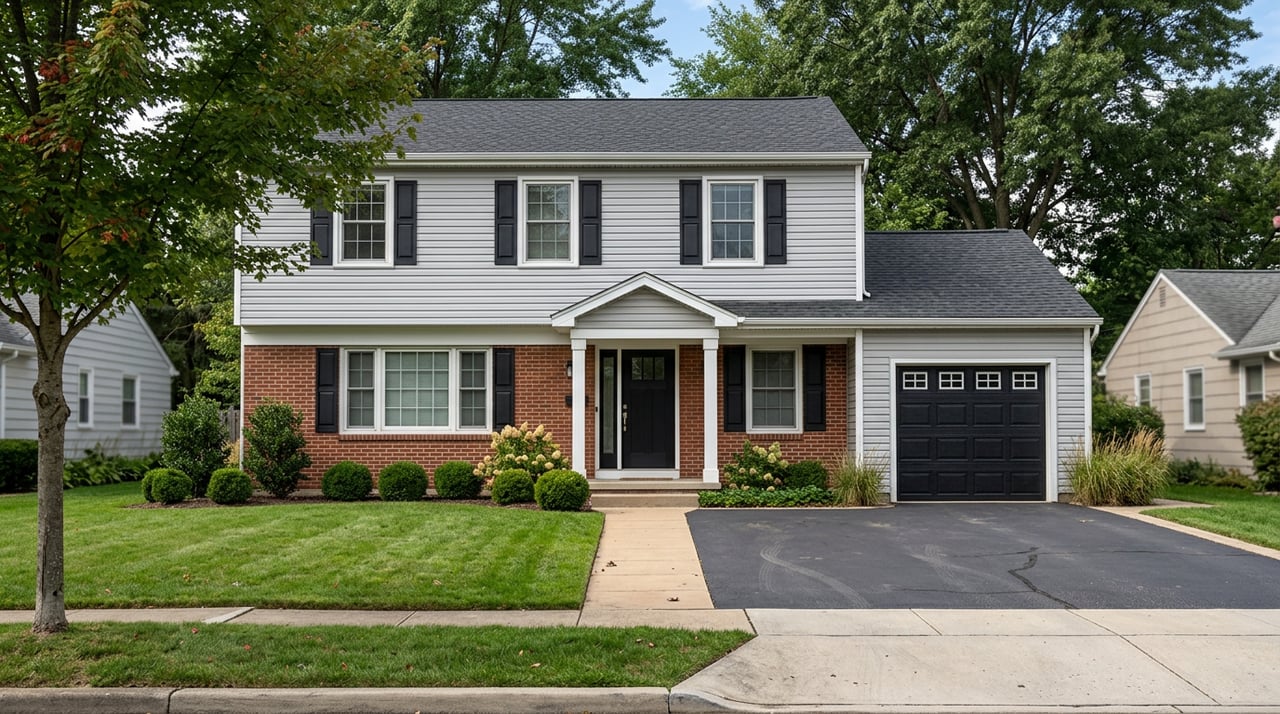
Thinking about renting out your Wayne home instead of selling? You are not alone. Many local homeowners weigh cash flow, taxes, and timing before making a move. This guide gives you a clear, step-by-step plan tailored to Wayne, with simple explanations of New Jersey rules, typical rent ranges, and the must-do tasks that protect you financially. By the end, you will know how to price, prepare, and legally rent your property with confidence. Let’s dive in.
Wayne rental market snapshot
If you are trying to set rent, start with a realistic range based on recent data. Listing sources show slightly different averages for Wayne because they track different property types.
- Zillow’s market trends tool reported an average asking rent near 2,700 dollars for all unit types as of February 15, 2026.
- Apartments.com showed an average around 2,157 dollars for apartments in February 2026.
- Realtor.com reported a median rent near 2,781 dollars in December 2025.
These figures are a guide, not a promise. Single-family homes can list much higher than apartments depending on beds, condition, and location. Zillow currently labels the Wayne rental market as “cool,” which means you should price with care to avoid long vacancies. Use multiple comp sources and align your number to similar homes, not just apartments.
Legal must-dos in Wayne, NJ
Getting the legal basics right helps you avoid fines, delays, and deposit disputes.
Register your rental
New Jersey requires most landlords to file a landlord registration. One- or two-family non-owner-occupied units register with the municipal clerk, and three or more units register with the state. Failing to register can delay or bar an eviction. Learn why registration matters from this overview on Landlord Registration rules. For Wayne-specific forms and fees, start with Wayne Township Permits & Inspections.
Truth in Renting and required disclosures
New Jersey requires you to provide the state’s Truth in Renting statement to tenants at or before move-in. It also outlines other key disclosures such as lead-based paint for pre-1978 housing, smoke and carbon monoxide alarms, and in some cases flood notices. Review the state summary and required language in the Truth in Renting handbook.
Lead-safe inspection for pre-1978 homes
New Jersey’s lead law requires visual lead-hazard inspections at tenant turnover or on a set cycle for most pre-1978 rentals. You must obtain a lead-safe or lead-free certification unless an exemption applies, and you must remediate if hazards are found. Many Wayne homes were built before 1978, so plan for this step early. See the legislative text for context on lead-safe inspection rules.
Security deposit rules
You can collect no more than one and one-half months’ rent as an initial security deposit in New Jersey. You must hold the deposit in an interest-bearing account or qualifying fund and provide written notice within 30 days that explains where it is held, the account type, and the current interest rate. When the lease ends, return the deposit plus interest within statutory timelines, less any lawful deductions for unpaid rent or damage beyond normal wear and tear. The NJ Courts’ landlord-tenant page explains deposit handling and deadlines.
Fair Chance in Housing screening
New Jersey’s Fair Chance in Housing Act restricts when you can ask about or use criminal history in tenant screening. Do not ask criminal-history questions on the initial application. You may consider criminal history only after a conditional offer and after following the law’s disclosures and procedures. There are limited exceptions. Review a summary of the law’s requirements and enforcement context in this Fair Chance in Housing overview.
Eviction basics and timing
Eviction is a court process in New Jersey. For nonpayment, you may be able to file without a prior Notice to Quit, but most other causes require specific notices with statutory timeframes. Even after a judgment, there are brief windows to cure and procedural steps before a warrant issues. Self-help lockouts are illegal. For a plain-language starting point, see the NJ Courts landlord-tenant guidance and this practical eviction process summary.
Step-by-step plan to rent your Wayne home
Follow this simple timeline to stay organized and compliant.
- Confirm permission and insurance
- Check your mortgage and HOA rules for rental restrictions. Update your insurance to a landlord or dwelling-fire policy. If you are unsure about local proof-of-insurance requirements tied to registration, contact Wayne Permits & Inspections.
- Estimate market rent conservatively
- Pull at least three comps that match your home’s bed, bath, and type. Use the rent snapshot above as a guide, then adjust for condition and amenities. In a cooler market, consider listing at the low end of your range to reduce vacancy time.
- Plan repairs and safety items
- Budget for repairs, smoke and carbon monoxide detectors, secure locks, servicing of HVAC, and yard cleanup. If your property was built before 1978, schedule the required lead inspection and factor in possible remediation costs. The lead-safe law explains compliance triggers.
- Register your rental
- File your landlord registration with the municipal clerk for one- to two-family non-owner-occupied units, or with the state for three or more units. Keep the confirmation, and provide the registration statement to the tenant where required. Learn the purpose and process from Landlord Registration guidance and confirm local steps with Wayne Permits & Inspections.
- Prepare your lease and disclosures
- Include the Truth in Renting statement and any required disclosures, such as lead-based paint for pre-1978 housing and smoke/CO alarm compliance. Spell out rent, due dates, late fee terms consistent with NJ law, security deposit terms, maintenance responsibilities, and notice for landlord entry. The Truth in Renting handbook is a helpful checklist.
- Set a compliant screening process
- Use a written, consistent policy. Obtain written consent for credit and background reports. Follow the Fair Chance in Housing timeline by waiting until after a conditional offer to consider criminal history and follow the required notice and rebuttal procedures. See the FCHA overview.
- Handle the security deposit correctly
- Collect no more than 1.5 months’ rent. Place funds in an interest-bearing account and give the tenant the required written notice within 30 days. Track interest and return the deposit within the statutory timeline after move-out. The NJ Courts guide explains timing and penalties.
- Decide on self-management vs. hiring help
- Property managers can handle marketing, showings, screening, rent collection, maintenance coordination, and eviction logistics for a fee. Compare written proposals, services, and cancellation terms. If you self-manage, calendar key dates and build a roster of local contractors.
- Do a detailed move-in inspection
- Walk the property with your tenant before keys change hands. Use a room-by-room checklist, take dated photos, and have both parties sign. This baseline reduces deposit disputes later and supports fair wear-and-tear decisions.
- Know your remedies if issues arise
- If rent falls behind or a lease rule is violated, follow New Jersey’s notice and filing steps. Do not self-evict. The court’s resource page and this process summary outline timing and forms.
Budgeting, cash flow, and taxes
Estimate your monthly net
Start with expected rent, then subtract your mortgage payment, property taxes, insurance, utilities you cover, routine maintenance, any management fees, and a monthly reserve for vacancy and repairs. Compare your projected cash flow to what you might net from selling now, including closing costs and potential tax effects. In a market labeled “cool,” planning for a longer marketing period is prudent.
Depreciation and deductible expenses
You will report rental income and expenses on Schedule E. Ordinary and necessary expenses such as mortgage interest, property taxes, insurance, repairs, professional fees, advertising, and management fees are generally deductible. Residential rental buildings are typically depreciated over 27.5 years under MACRS, which reduces taxable income now but affects capital gains and depreciation recapture when you sell. Review the IRS overview in Publication 527 and speak with a tax professional about your specific situation.
Insurance and risk management
Most lenders require an appropriate landlord or dwelling-fire policy when you convert a home to a rental. Policies often include dwelling coverage, liability, and loss-of-rent options. Confirm any proof-of-insurance needs that tie into local registration through Wayne Permits & Inspections. Keep your liability limits aligned with your risk tolerance and lender requirements.
Pricing and marketing tips for Wayne homes
- Price to the best nearby comps. Compare single-family homes to single-family comps. Adjust for renovations, fenced yards, garage spaces, and finished basements.
- Launch with strong photos and clear descriptions. Highlight maintenance updates, storage, parking, and outdoor space. In a cooler market, small “staging-lite” touches can help a rental stand out.
- Set clear showing rules. Offer flexible times and a simple application link. Speed helps you reduce vacancy.
- Write fair, consistent screening criteria. Explain income verification, credit standards, pet policy, and the conditional-offer step for criminal history so applicants know the process.
Common pitfalls to avoid
- Underestimating lead-safety steps. Pre-1978 homes often require inspection and sometimes remediation, which can affect timing and budget.
- Skipping registration or disclosures. Missing paperwork can block eviction remedies and create avoidable disputes.
- Pricing too high for current demand. A cool market can punish overpricing with extra weeks of vacancy.
- Mishandling the security deposit. Missing the 30-day notice or deposit limits can trigger penalties.
- Missteps in Fair Chance in Housing compliance. Asking about criminal history too early can lead to enforcement issues.
Ready to rent your Wayne home?
If you want local comps tailored to your specific property, a clean pricing strategy, and help coordinating a rental launch that fits New Jersey rules, reach out to a neighbor who knows the streets and the process. Connect with Anthony Jordan for a friendly, data-backed consultation and a clear next step.
FAQs
What is the typical rent for a single-family home in Wayne, NJ?
- Recent listing sources show averages in the mid 2,000s per month, with wide variation based on beds, condition, and amenities; use multiple comps and price conservatively in a cooler market.
Do I need to register my Wayne rental before leasing it?
- Yes, most landlords must register the property, either with the municipal clerk for one- to two-family non-owner-occupied homes or with the state for three or more units; provide the registration statement to the tenant where required.
What disclosures are required at lease signing in New Jersey?
- You must provide the state’s Truth in Renting statement and applicable disclosures like lead-based paint for pre-1978 housing and smoke/CO compliance; confirm any local items with Wayne’s Permits & Inspections.
How much security deposit can I charge in New Jersey?
- No more than one and one-half months’ rent initially, held in an interest-bearing account with written notice to the tenant within 30 days, and returned within statutory timelines after move-out.
When can I consider criminal history in tenant screening in NJ?
- Only after making a conditional offer and after giving required notices and an opportunity for the applicant to provide context, with limited statutory exceptions.
Are lead inspections required for older Wayne homes?
- Most pre-1978 rentals require a lead-safe or lead-free certification on a turnover or cyclic schedule, and remediation if hazards are found; plan for this early in your timeline.