Thinking about trading a walk-up, elevator building, or Hoboken block for a driveway, yard, and more breathing room? If Wayne is on your shortlist, you are probably trying to figure out what daily life would actually feel like, not just what a listing photo shows. The good news is that Wayne can be a practical move for buyers coming from NYC or Hoboken, especially if you want more space with workable access to Manhattan. Here’s what to expect, what to compare, and how to decide if Wayne fits your next chapter.
Why Wayne Appeals to NYC and Hoboken Buyers
Wayne is a mature suburban market with a strong owner-occupied feel. Census data estimates about 54,819 residents and 18,341 households, with 78.6% of homes owner-occupied. That helps explain why Wayne often feels established, rooted, and residential rather than fast-changing.
For many buyers, the draw is simple: more house, more storage, more parking, and a different kind of daily rhythm. Wayne is not trying to be Hoboken with bigger lawns. It is a drive-first suburb where your routine is more likely to center on roads, parking, school schedules, and shopping corridors.
That shift can be a welcome upgrade if you are ready for it. If you want more square footage and a neighborhood setting, Wayne offers a very different lifestyle from city living while still staying connected to the region.
What the Commute Really Looks Like
If you work in Manhattan or travel into the city regularly, Wayne can be a feasible commuter suburb. The key word is feasible, not effortless. You should expect a more planned, schedule-based commute than what you may be used to in NYC or Hoboken.
One of Wayne’s main transit assets is the Wayne/Route 23 Transit Center on the Montclair-Boonton Line. NJ Transit lists parking, accessibility features, Wi-Fi, bike racks or lockers, and 996 standard parking spaces at the station. Bus connections to Port Authority Bus Terminal also run from the transit center, including routes 194, 198, and 324.
In practical terms, that means many commuters use a park-and-ride routine. You may drive to the station, park, and then continue by rail or bus. That is a very different feel from stepping out your front door and walking to the PATH, subway, or a nearby city bus stop.
Wayne is commuter-friendly, not transit-first
This is one of the biggest mindset changes for Hoboken and NYC buyers. In Wayne, your experience can vary a lot depending on whether you live near a transit node, a major road, or deeper inside a residential section. Two homes in the same township can create very different weekday routines.
If commute time matters, it helps to think beyond mileage. You will want to compare the full pattern, including drive time to transit, parking availability, train or bus schedules, and your backup plan on a busy morning.
Housing in Wayne Feels Different Right Away
The housing stock in Wayne is much more house-heavy than many city buyers expect. ACS-ED data shows 76.1% of housing is house-style, and 57.5% of structures were built before 1970. That gives much of the township an established, built-out feel rather than a brand-new master-planned look.
The township’s master plan also describes Wayne as a stable, older suburban community with very little undeveloped land left. Today, much of the change happens through infill and redevelopment rather than large-scale new construction. For you as a buyer, that means neighborhood character can vary a lot from one section to the next.
Expect older homes and more variety
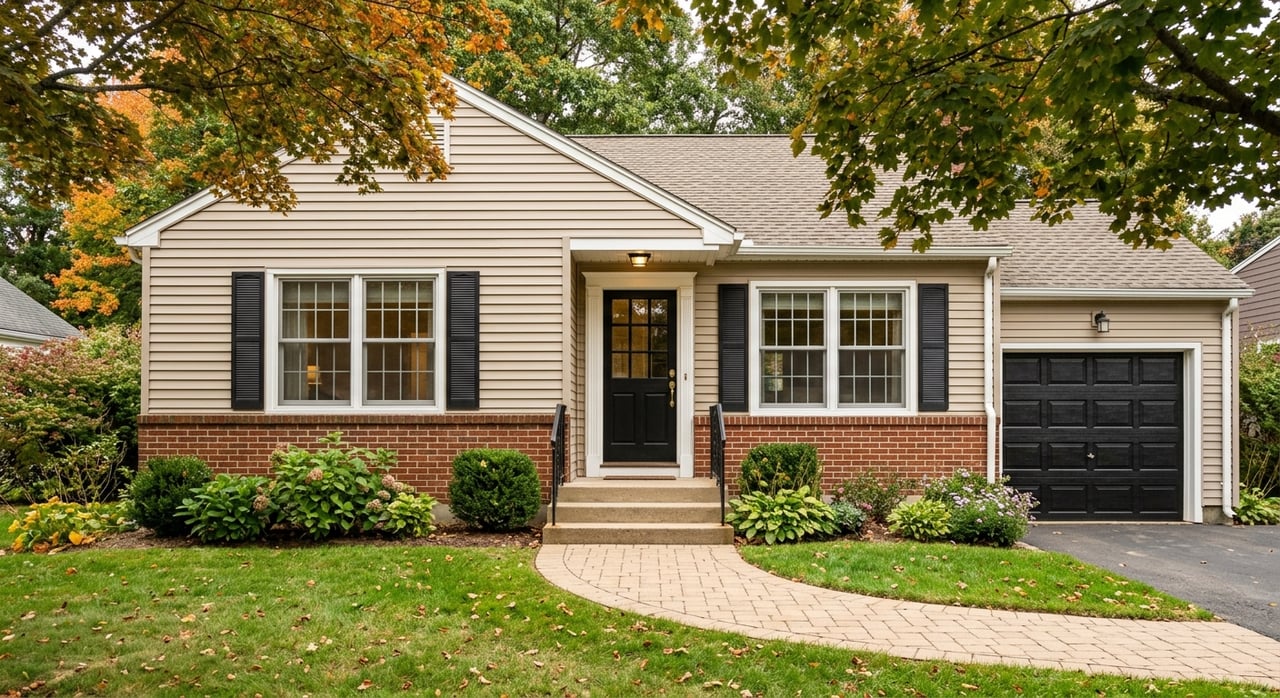
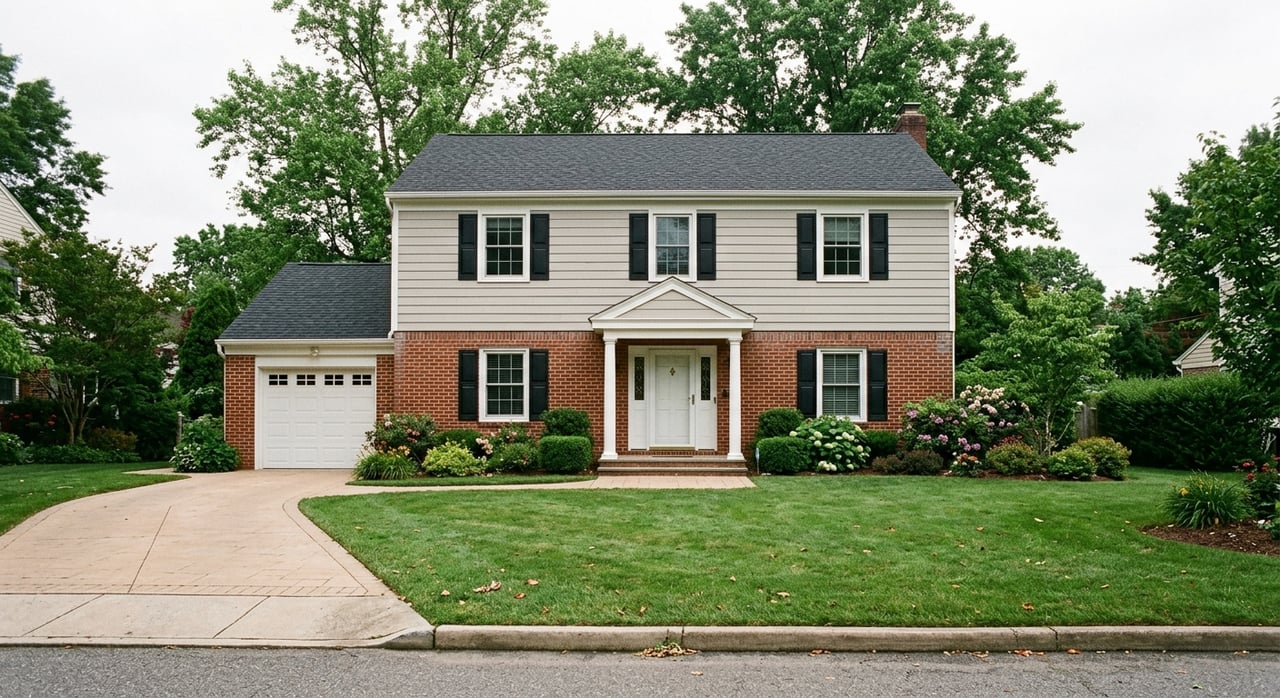
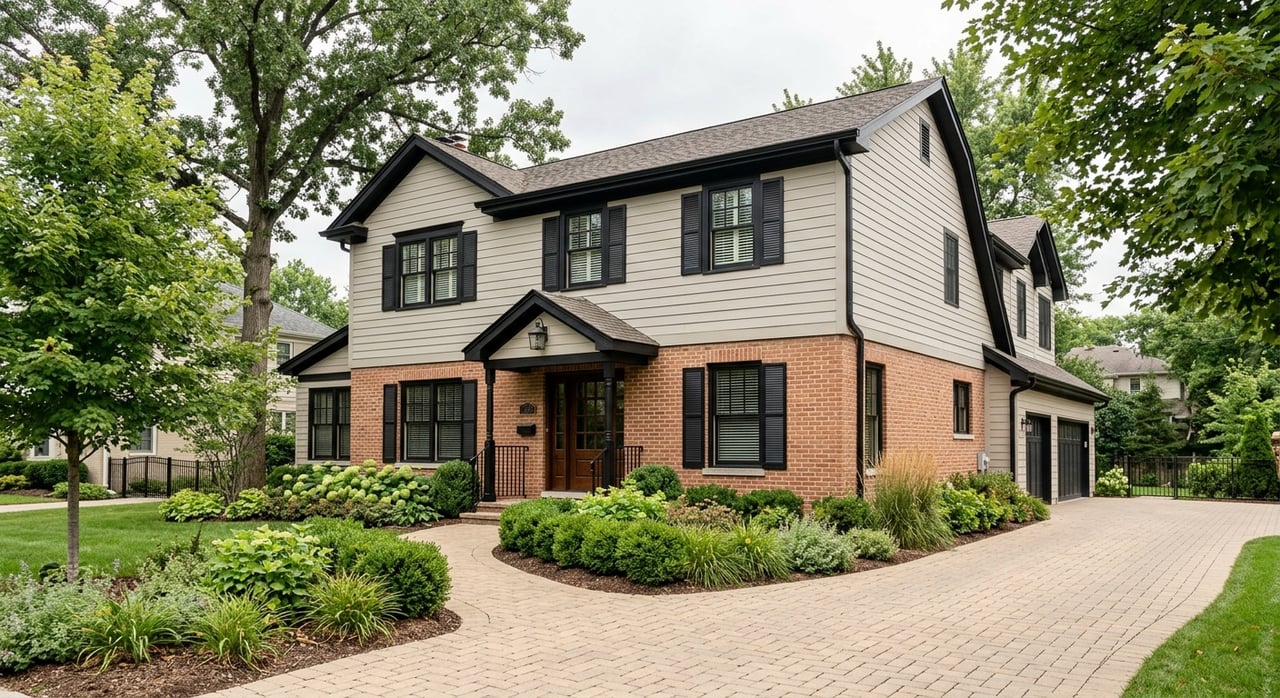
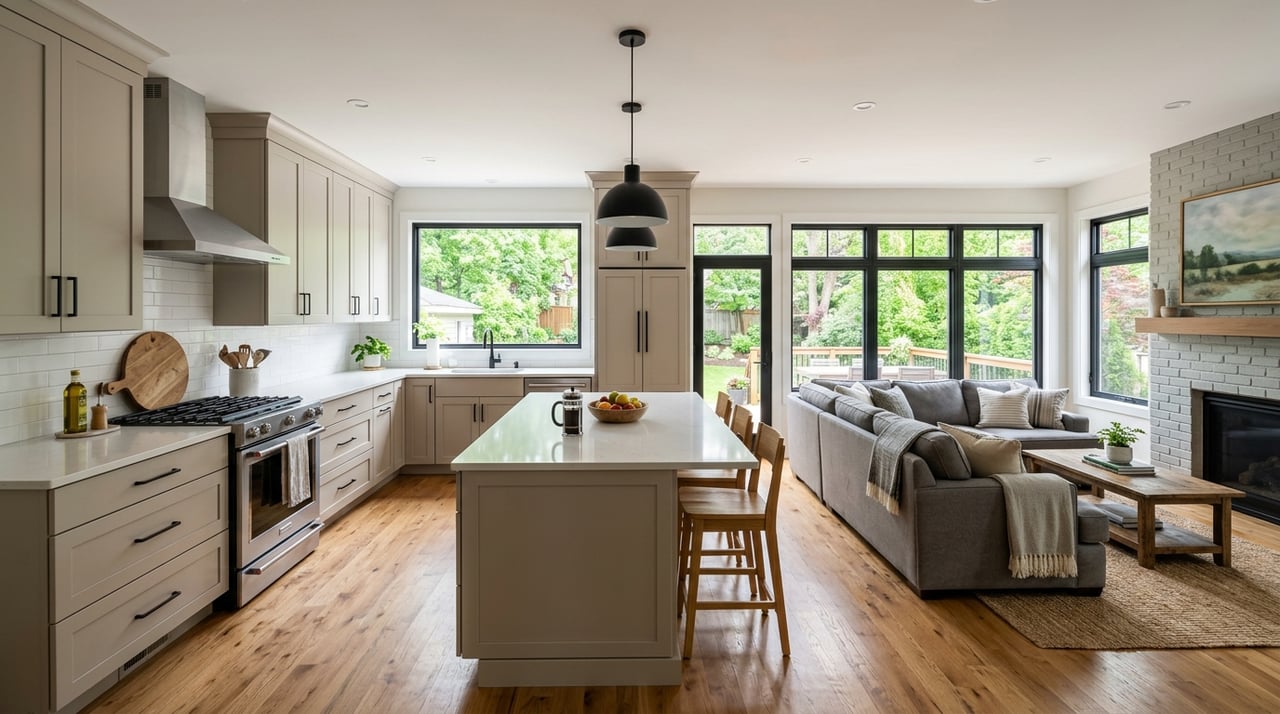
If you are coming from a condo or apartment market, Wayne may feel less uniform. You may see capes, split-levels, colonials, townhomes, and condos, often on very different lot sizes. Some homes have been updated top to bottom, while others may need work or offer value through location and lot size.
That variety is often a plus. It gives you more ways to match your budget, space needs, and long-term plans. It also means local guidance matters, because two homes with similar list prices may offer very different tradeoffs.
Lot Size Can Change the Entire Experience
One of the biggest surprises for relocation buyers is how much lot size can differ within Wayne. Local zoning allows minimum lot areas ranging from 7,000 square feet in some residential districts to 20,000, 45,000, and larger in lower-density or special districts. That range can have a huge effect on privacy, upkeep, and overall feel.
A Wayne address does not point to one standard living experience. In one area, you may find a more compact suburban lot with close access to main roads and shopping. In another, you may find a larger parcel with more separation from neighbors and a quieter setting.
Think about maintenance, not just space
More land can sound exciting after city life, and often it is. But it also changes your maintenance routine, from lawn care to snow removal to general upkeep. When you compare homes, it helps to ask not only, “How much space do I want?” but also, “How much property do I want to manage?”
Neighborhood Differences Matter in Wayne
Wayne is not one-note. The township’s master plan identifies three residential lake communities: Lions Head Lake, Packanack Lake, and Pines Lake. These areas can offer a different atmosphere from other residential sections, with a more lake-oriented setting and community identity.
Other parts of Wayne feel more traditionally suburban, wooded, or corridor-based depending on their location. That is why broad advice only goes so far. Your day-to-day experience may be shaped by whether you prioritize easier commuting, larger lots, recreational surroundings, or quick access to shopping and services.
Flood risk should be part of your search
Wayne’s master plan also notes lower-lying flood-prone areas in Old Wayne and Hoffman Grove. That does not mean every home in those areas has the same risk profile, but it does mean flood maps and insurance should be part of your evaluation when you narrow your options.
For relocation buyers, this is an important local detail. In a market with older housing and varied topography, due diligence matters just as much as finishes and layout.
Schools, Parks, and Everyday Routine
For buyers planning around long-term lifestyle, Wayne offers a broad set of public amenities. Wayne Township Public School District serves 7,653 students across 15 schools, with 717.08 classroom teachers and a 10.67 student-teacher ratio. The district includes Preakness Early Childhood Center, nine elementary schools, three middle schools, and two comprehensive high schools: Wayne Hills and Wayne Valley.
Because school assignment is address-sensitive, it is smart to verify the assigned schools before making an offer. That is especially important if you are comparing homes in different sections of town.
Wayne also supports the day-to-day needs that matter once the boxes are unpacked. The Wayne Public Library’s main branch on Valley Road has extended weekday hours, including evenings Monday through Thursday. The township’s Parks and Recreation Department is anchored at the Wayne Community Center, and the local parks system supports after-school, weekend, and summer routines.
Everyday convenience is corridor-based
Wayne has strong retail and service access, but it is not organized around a single walkable downtown. The township notes shopping and business centers, and a 2025 planning memo points to Willowbrook Mall as a destination while identifying Route 23 and Route 46 as major retail corridors.
That means your errands will usually be car-based. Grocery runs, appointments, shopping, and day-to-day tasks are generally convenient, but the convenience comes through driving and parking rather than walking corner to corner.
The Cost Tradeoff to Understand
Wayne is not best understood as a bargain suburb. It is better understood as a place where the cost structure is different from NYC or Hoboken. Census data shows a median gross rent of $2,164 and median monthly owner costs with a mortgage of $3,580.
Property taxes are also a major part of the picture. Wayne’s 2024 audit lists a total tax rate of 5.900, with 3.269 going to the local school levy, 1.330 to municipal purposes, and 1.281 to the county. A 2025 township planning draft shows an average 2024 residential assessment of $230,435, implying a rough annual property tax bill of about $13,600 on an average assessed home before deductions and exemptions.
Compare costs to your actual priorities
The better question is not whether Wayne is cheap or expensive. The better question is what you get for your monthly and annual costs. Many buyers are making a deliberate trade: less city convenience in exchange for more interior space, more parking, more privacy, and a suburban framework built around schools, recreation, and homeownership.
That trade makes sense for some buyers and not for others. The right fit depends on your commute needs, housing goals, and how you picture your everyday routine.
How to Decide if Wayne Fits You
If you are moving from NYC or Hoboken, Wayne tends to work best when you want a real suburban shift, not just a slightly quieter version of city life. It can be a strong fit if you want house-style living, owner-occupied neighborhoods, practical commuter options, and room to spread out.
It may be less appealing if your top priority is a fully walkable, transit-at-your-door lifestyle. Wayne can absolutely keep you connected to Manhattan and the broader region, but the experience is more car-oriented and more schedule-driven.
A smart relocation plan usually starts with three questions:
- How often will you commute, and by what method?
- How much house and lot do you actually want to maintain?
- Which matters more to you: walkability or space?
Once you answer those clearly, Wayne becomes much easier to evaluate. And because the township is so neighborhood-specific, seeing the differences in person can make your decision much clearer.
If you are weighing a move to Wayne from NYC or Hoboken, working with someone who knows the streets, neighborhoods, and local tradeoffs can save you time and help you focus on the right fit. Anthony Jordan can help you compare neighborhoods, understand the local lifestyle shift, and move forward with confidence.
FAQs
What is daily life in Wayne like compared with Hoboken?
- Wayne is more car-oriented and suburban, with daily routines often built around driving, parking, school schedules, and shopping corridors rather than a walk-everywhere setup.
Is Wayne a realistic choice for commuting to Manhattan?
- Yes, Wayne can be a practical commuter suburb, especially with the Wayne/Route 23 Transit Center and bus service to Port Authority, but the commute is usually more planned and park-and-ride based.
What types of homes are common in Wayne?
- Wayne is largely house-style housing, and much of the housing stock is older, with many homes built before 1970 in established residential neighborhoods.
Do lot sizes vary a lot in Wayne neighborhoods?
- Yes, lot sizes can vary significantly by zoning district, which is one reason some parts of Wayne feel more compact while others feel much more spacious and private.
Are all parts of Wayne similar?
- No, Wayne includes lake communities, older built-out sections, retail-access corridors, and lower-lying areas, so the feel and practical tradeoffs can vary a lot by location.
What should buyers know about schools in Wayne?
- Wayne Township Public School District serves 15 schools, and school assignment is address-sensitive, so it is important to verify the assigned schools for any home you are considering.
Is Wayne walkable for errands and shopping?
- Most errands in Wayne are car-based, with many shopping and service destinations located along Route 23 and Route 46 rather than in a single pedestrian downtown area.
Are property taxes an important factor in Wayne homeownership?
- Yes, property taxes are a major part of the cost picture in Wayne, and they should be evaluated alongside home size, lot size, commute needs, and overall lifestyle goals.