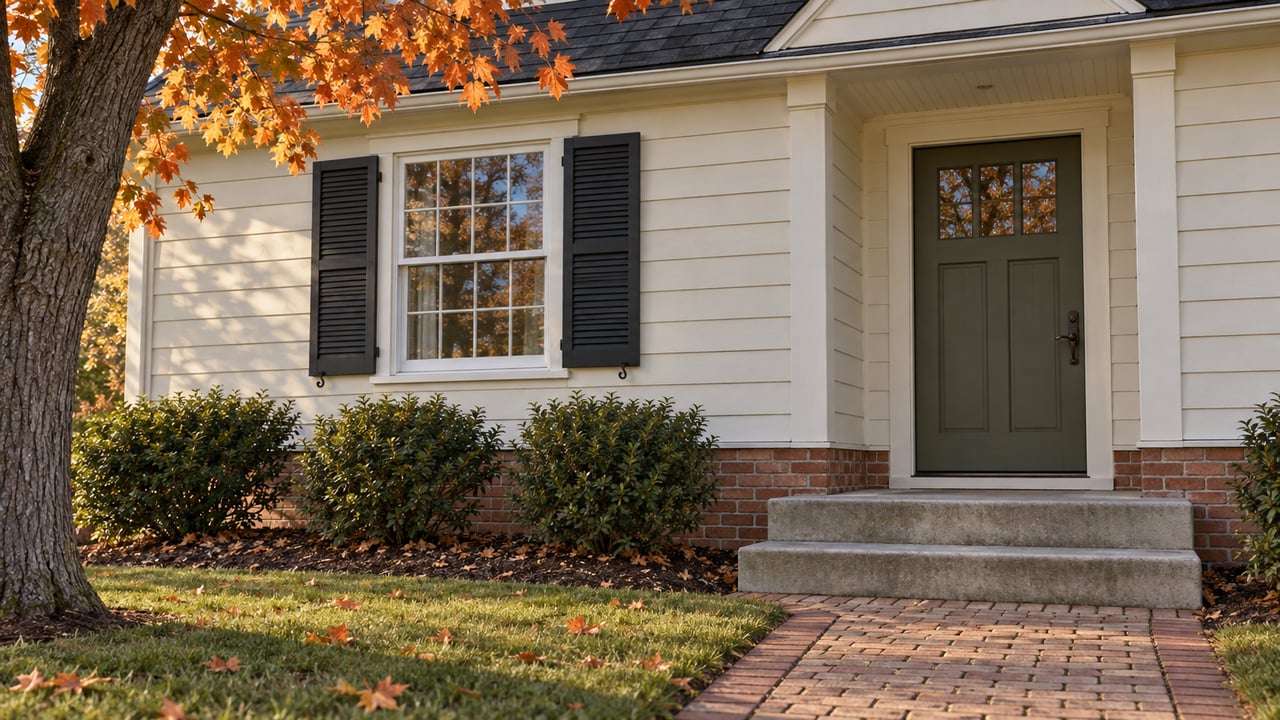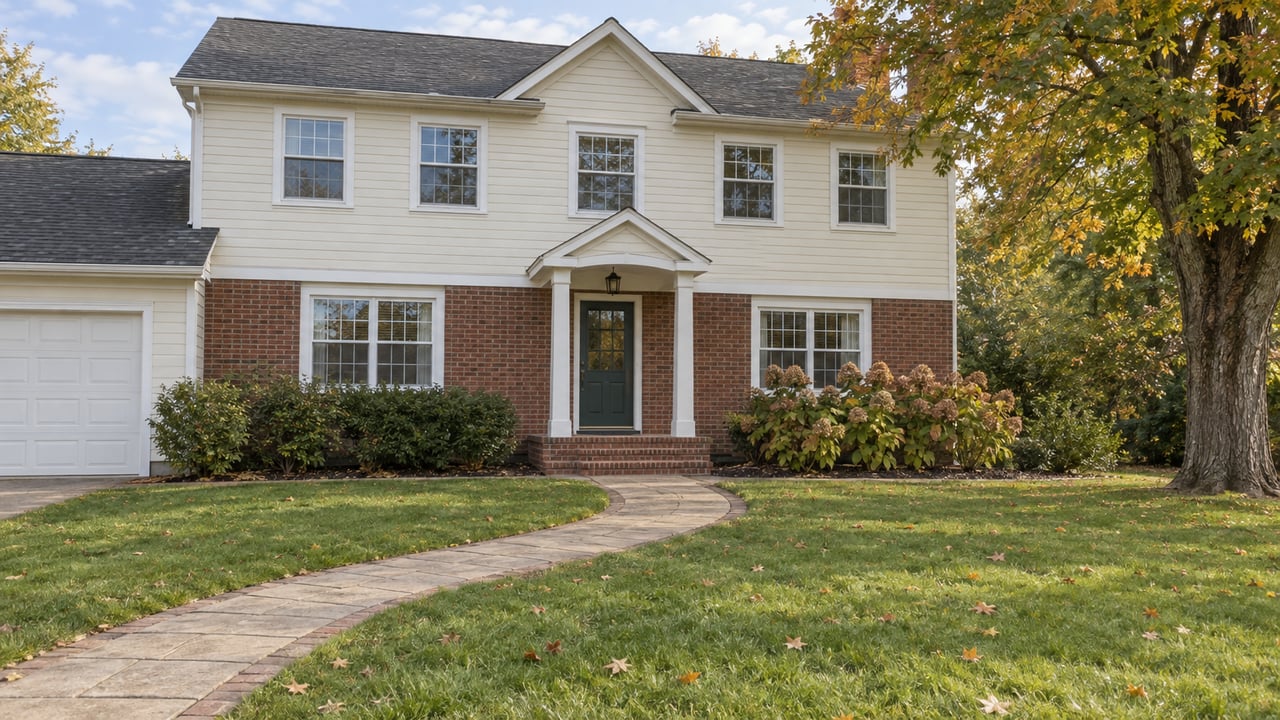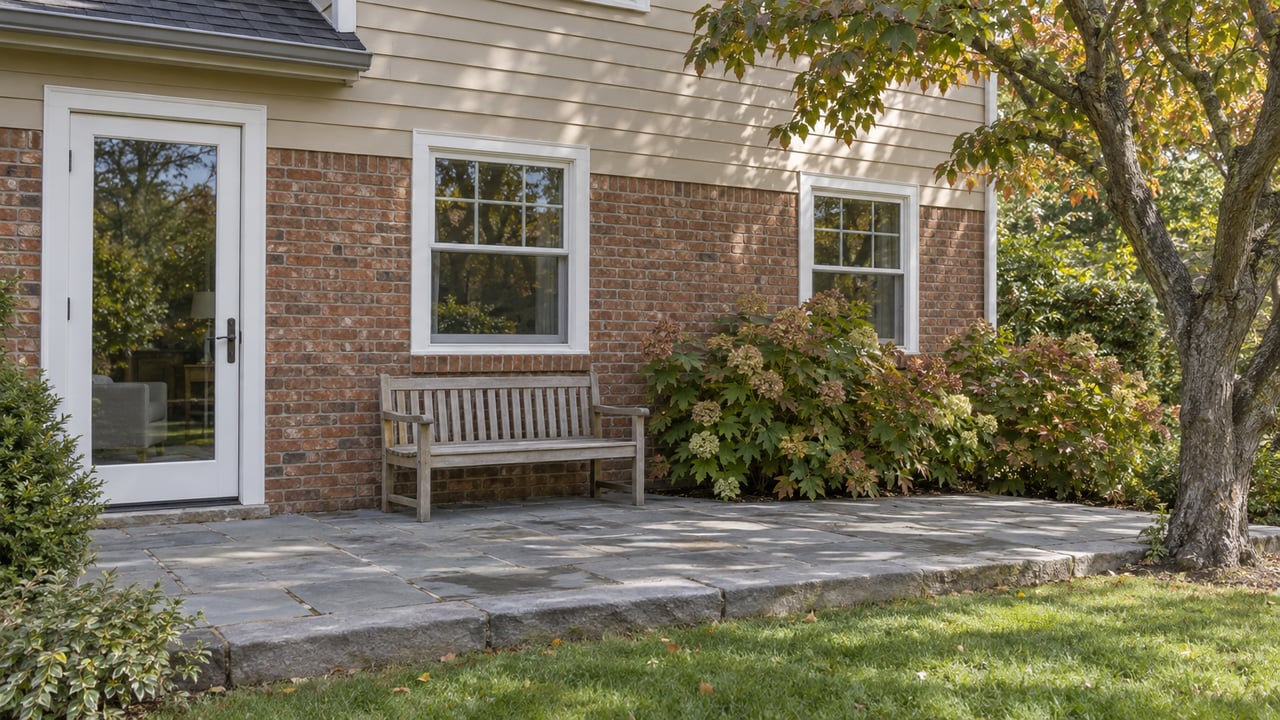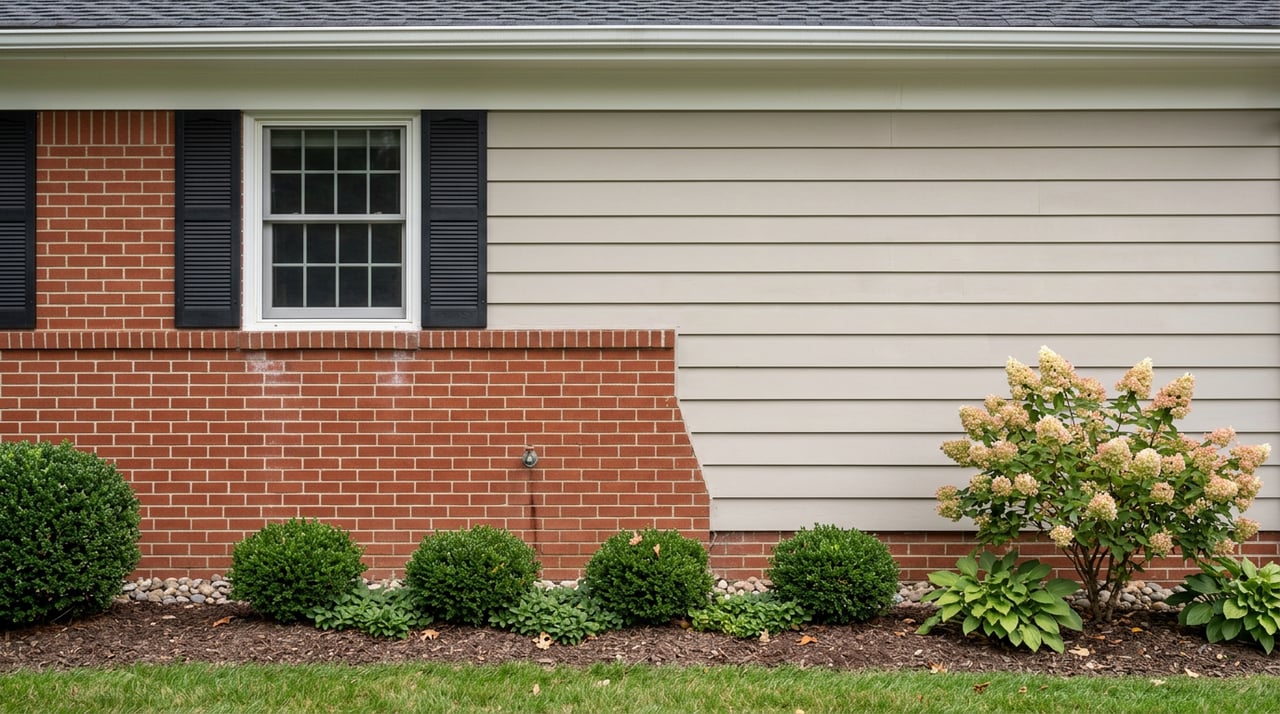
A Wayne seller called last spring convinced her split-level was ready to list. Kitchen refreshed, floors buffed, mulch beds edged. Then her attorney asked one question during the pre-listing review, and the launch slipped six weeks. Somewhere between the garage and the side yard, under a strip of lawn her family had mowed for thirty years, was a 550-gallon steel tank nobody had thought about since the boiler swap in 1994.
Nothing about her situation is unusual in this township. What was unusual is that she asked the question in April instead of during attorney review in July. That timing is the entire thesis of this post: in Wayne, the oil tank issue is less a legal problem than a scheduling problem, and sellers who resolve it before listing keep the negotiation. Sellers who discover it during a buyer's inspection almost always give it away.
Why Wayne carries this risk more than the average suburb
Wayne's housing stock is concentrated in the oil-heat era. The median construction year in the township is 1967, with about 7.9% of homes built before 1940 and another 4.9% built in the 1940s. Cape Cods, split-levels, and ranches from the mid-century wave sit throughout Preakness and the older lake sections, and most of them were originally heated with fuel oil before the gas conversions of the 1980s and 1990s.
That history matters because a gas conversion did not always mean a tank removal. Many homes were simply switched over, with the underground tank left in place, sometimes filled with sand or foam, sometimes just abandoned. A fill pipe or a vent line poking out of the foundation still counts as physical evidence of a tank, and under New Jersey's implied warranty of habitability, a seller cannot use an "as-is" clause to escape disclosing a latent defect a buyer would not ordinarily discover.
What actually happens on removal day in Wayne Township
The state sets the disclosure rules. Wayne sets the process. If a tank comes out during your transaction, here is the sequence you are paying for:
- Your licensed environmental contractor pulls a construction/demolition permit through the Wayne Building Department at 475 Valley Road (973-694-1800, ext. 3261).
- The excavation is scheduled. A Wayne construction or health department official must be present on site when the tank is unearthed. This is not optional and it is not a paperwork inspection.
- The tank is cut open, cleaned per American Petroleum Institute guidelines, and lifted. It is visually inspected for pinholes, corrosion, and staining while the township official is standing there.
- Soil around and beneath the tank is inspected for the smell and visual presence of oil. If nothing is found, the permit is closed and a Certificate of Approval is issued.
- If contamination is found, NJDEP is notified, a case number is assigned to the property, and the job moves into remediation under the state's Unregulated Heating Oil Tank (UHOT) program.
The middle-of-the-day site inspection is the piece most sellers underestimate. If your contractor and the township inspector cannot line up their calendars quickly, a two-day job stretches into two weeks, and every day of that delay is a day your buyer is sitting on their hands wondering what else is wrong.
The Wayne fee schedule most sellers never see
Township Code Chapter 64 spells out what the Building Department charges. The numbers are modest, but they establish that a real inspection is happening and that the paperwork trail follows you to closing.
| Item | Wayne fee |
|---|---|
| Tank removal, per tank | $250 |
| Tank abandonment (cut, cleaned, filled in place) | Based on cost of work |
| Tank installation | Based on cost of work |
| Minimum permit application fee | $125 |
| Certificate of Occupancy, change in use | $200 |
The permit fee is not the number that matters. The number that matters is that Wayne, like most Passaic County municipalities, will not sign off on a Continued Certificate of Occupancy for a change in ownership if there is a known open tank issue on the property. No CCO, no closing.
What contamination actually costs, and why buyers walk
Removals with no leak are the cheap outcome. A routine underground tank removal in North Jersey runs roughly $2,000 to $4,500, and aboveground removals run $1,500 to $2,500. Those are the numbers a seller can price into a listing without pain.
Remediation is the number that ends deals. When contamination is found, additional cleanup typically adds $3,000 to $15,000, and more when groundwater is involved. NJDEP's UHOT program allows a certified Subsurface Evaluator to close out the cleanup and issue a No Further Action letter, which is what your future buyer's attorney will ask for by name.
Rule of thumb for Wayne sellers: assume a routine removal is a rounding error on the sale price. Assume a leak, and you are negotiating from behind for the rest of the transaction.
The reason buyers walk from surprise tanks is not the money. It is the uncertainty. A buyer looking at a $700,000 Wayne colonial can absorb a $4,000 line item. What they cannot absorb is not knowing whether the number is $4,000 or $40,000 while their rate lock is ticking. Standard title insurance excludes environmental contamination, and most lenders will not close on a home with a known buried tank. That combination is why disclosed tanks get negotiated and undisclosed tanks blow up deals.
What "I don't know" costs on the disclosure form
New Jersey's Seller's Property Condition Disclosure Statement asks specifically about oil tanks. Checking "unknown" is not a shield. New Jersey courts consider whether a reasonable homeowner would have known, and if you ever converted from oil to gas, the court's answer is that you knew a tank existed at some point. "I don't know what happened to it" is not a defense that holds up. It is a defense that produces a lawsuit after closing.
The practical version of this rule is simple. If your home was built before roughly 1980, if the basement has capped copper lines running toward an old boiler footprint, if there is a fill pipe on the side of the house, or if you see a dead patch of grass in a rectangle near the driveway, you have a tank question to answer before you sign a listing agreement. Not during attorney review. Before.
The pre-listing move that changes the negotiation
The single highest-leverage step a Wayne seller can take is to schedule a tank sweep before the sign goes in the yard. A licensed contractor uses metal detection equipment, sometimes ground-penetrating radar, and walks the property looking for buried steel, fill lines, and vent piping. If nothing is found, you list with documentation in hand and buyers stop asking. If something is found, you have three or four months to decide whether to remove it on your schedule, price it into the list, or negotiate a credit at closing, rather than doing all of that on a buyer's inspection clock.
Sellers who lead with a clean tank sweep certification in the disclosure packet routinely see stronger initial offers and cleaner inspection responses. Sellers who wait for the buyer to raise the question hand the buyer a free option: the option to renegotiate, the option to demand seller-paid removal, and the option to walk. In a market where Wayne homes have been moving in roughly 18 days at a median around $770,000 as of spring 2026, the cost of losing your first buyer is not the removal bill. It is the second listing period.
A short FAQ
Do I legally have to remove a tank before selling in Wayne? No. You have to disclose it. Many buyers will require removal as a condition of purchase, and most lenders will not approve a mortgage with a known buried tank, so the practical answer is usually yes even though the legal answer is no.
My house was built in 1972 and I have no records. What now? Assume a tank existed and get a sweep before you list. If the sweep is clean, you have a document that eliminates the question. If the sweep finds something, you have time on your side instead of on the buyer's side.
What if the previous owner told me the tank was already removed? Ask for the paperwork. You need the NJDEP closure report if applicable, the closed Wayne permit or Certificate of Approval, and any soil sampling results. If the prior owner has none of that, your buyer will treat it as an unresolved tank.
Does homeowners insurance cover a leak discovered during a sale? Sometimes, for third-party liability claims involving a neighbor's property or state groundwater. Rarely for the cleanup on your own soil. Call your carrier before you call anyone else, because the notification itself can affect coverage.
A last word before you list
A Wayne home sale is won or lost in the four weeks before the listing goes live, not the four weeks after. If your house was built during the oil-heat era, the tank question is the first item on the pre-listing checklist, not something to figure out when the buyer's inspector shows up with a metal detector. Get the answer on your own schedule and you keep the leverage.
If you are thinking about selling a Wayne home this season and you want a straight read on where the tank question and the pricing conversation intersect, Anthony Jordan is happy to walk your property, review your paperwork, and put together a listing plan that puts the tough questions behind you before the sign goes up. Schedule a consultation or request a free home valuation to get started.