Looking at homes in Wayne and trying to make sense of the numbers? You are not alone. As a new buyer, it helps to understand what types of homes you will see, how list prices relate to sale prices, and why days on market can vary from one block to the next. This guide gives you a plain-English framework to read Wayne’s market, plan your tours, and make stronger offers. Let’s dive in.
Wayne at a glance
Wayne Township sits in Passaic County within the North Jersey and New York metro market. Commute access matters here, with NJ Transit service on the Montclair-Boonton line and major highways like I-80 and Route 23 shaping demand. You will find parks, lakes, and shopping areas, including the Packanack Lake area and the Route 23 corridor near Willowbrook. Local priorities like commute time, neighborhood feel, and school assignments often guide what buyers choose and what homes sell for.
For commute planning and schedules, check NJ Transit’s system resources on the Montclair-Boonton line at the official site for NJ Transit.
Housing types you will see
Single-family homes
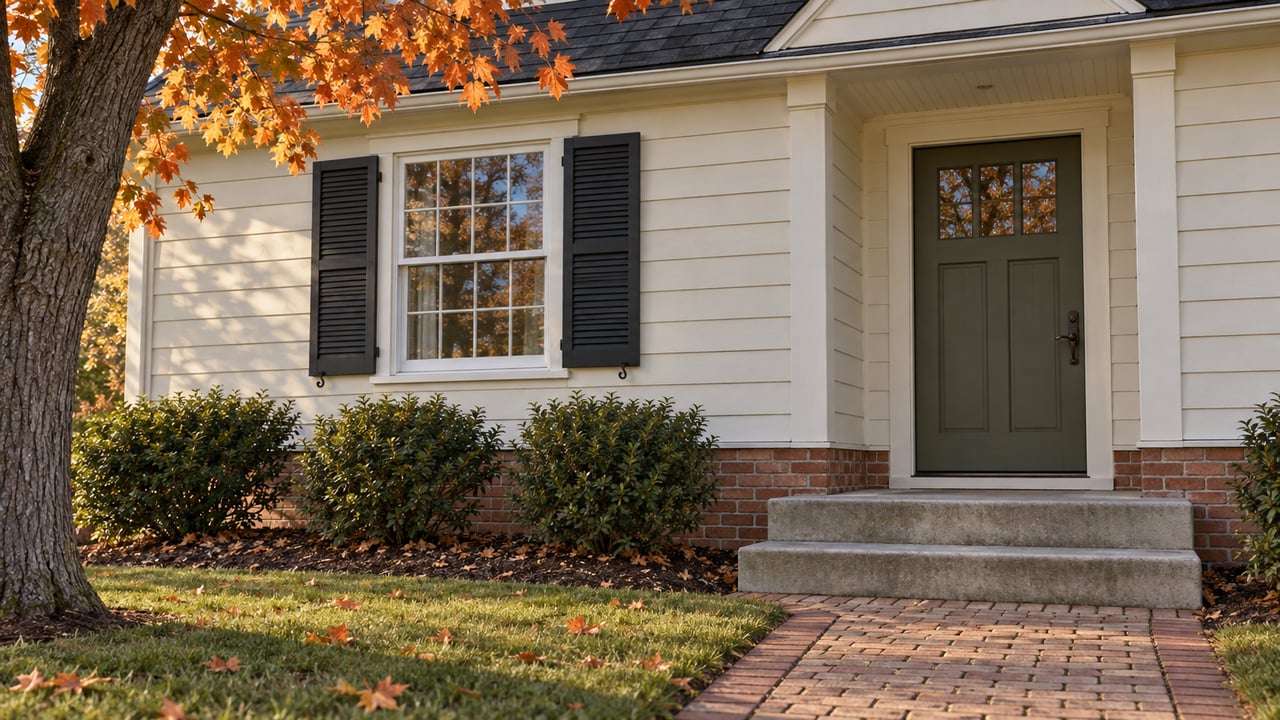
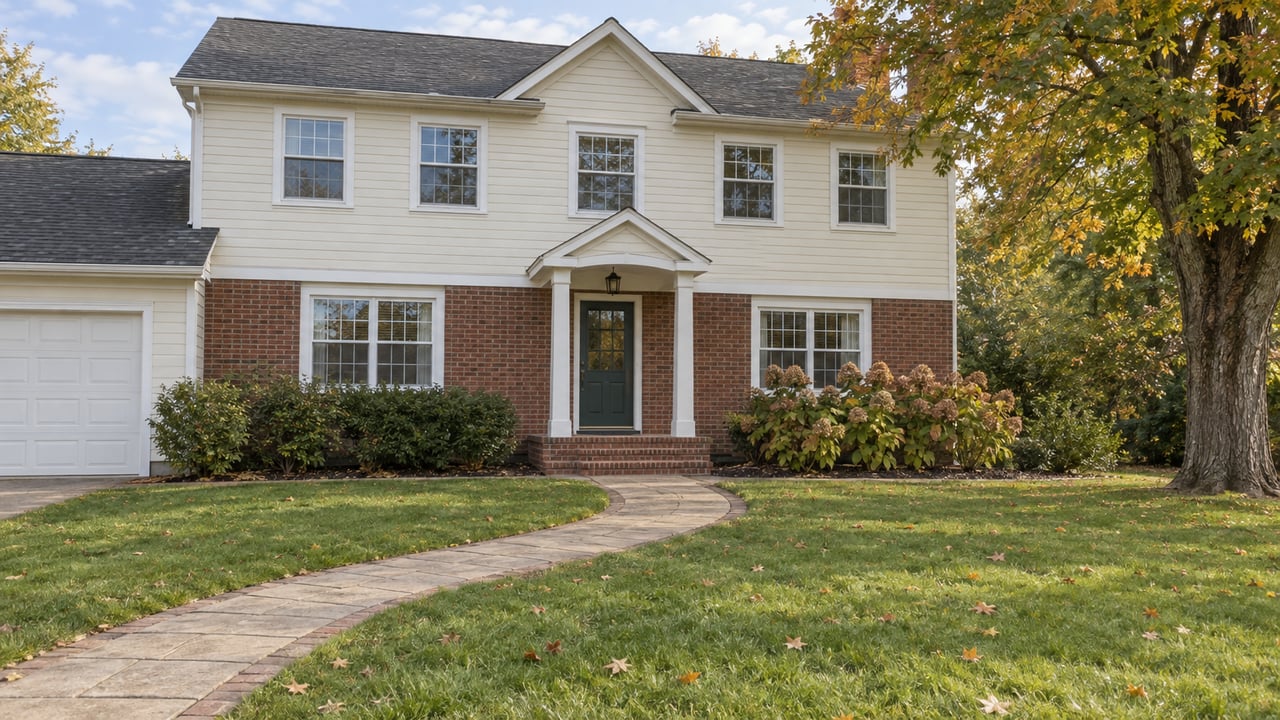
This is the most common option across Wayne. You will see ranches, split-levels, Capes, and Colonials on lots that range from modest to generous. Many homes were built in the mid-20th century, and updates vary, so pay close attention to age of systems, roof, and windows.
Townhouses and rowhomes
These are typically in planned communities with shared amenities. Townhomes can offer lower exterior maintenance and may include HOA fees. They can be a practical step-up from renting without the yard work of a large lot.
Condominiums
Condo units are found in multi-building complexes and are popular with first-time buyers and downsizers. They often have HOA rules, shared reserves, and specific lender requirements. Review the condo budget and rules before you commit.
A mix of ages and styles
Wayne blends older housing with newer infill and small subdivisions. One neighborhood can have a renovated home next to a property in original condition. That mix creates price and timing differences, so compare recent nearby sales carefully.
The numbers that matter
When you or your agent pull a 12 to 24 month MLS snapshot for Wayne, focus on these metrics:
- Active inventory: How many homes are listed right now, by type. Look at the trend over time for context.
- New listings per month: Shows the flow of supply and seasonality.
- Median list vs median sale price: Use monthly medians to reduce outliers.
- Sale-to-list price ratio: Sale price divided by list price. A ratio near or above 100 percent suggests limited room to negotiate.
- Days on market (DOM) and days to contract (DTC): Median time from list to offer. DTC is often the cleaner measure for sold homes.
- Price per square foot: Useful for comparing neighborhoods and renovation levels.
Use medians rather than averages for price and timing. Always note the date of the snapshot, the property type, and filters like beds, baths, square footage, and neighborhood.
How to read list-to-sale and DOM
- High sale-to-list ratio: If many homes close at or above list price, you should expect competitive offers and little negotiation room.
- Short DOM or DTC: If homes go under contract quickly, plan for fast decision-making and bring a strong pre-approval.
- Lower sale-to-list ratio or longer DOM: You may have more leverage for credits, repairs, or a lower price, especially for homes that need updates.
- By property type: Single-family homes often move faster than condos in the same town. Condos can show longer DOM and slightly lower sale-to-list ratios because of buyer pool size and financing rules.
Local factors that shape timing and price
- Pricing vs comps: Homes priced near recent comparable sales tend to sell faster. Overpriced homes sit longer and invite reductions.
- Condition and updates: Newer systems, roofs, windows, and refreshed kitchens or baths support faster sales and stronger ratios.
- Commute convenience: Easy access to train service and major highways can shorten DOM for many buyers.
- Seasonality: Early spring and late spring often bring more listings and faster sales. Late fall and winter usually slow.
- Property taxes: New Jersey taxes affect monthly budgets and offers. Compare effective taxes alongside your mortgage payment.
- Financing environment: Mortgage rates and underwriting can expand or shrink the active buyer pool.
- Flood exposure: Proximity to rivers or mapped flood zones can affect demand and insurance costs. Use the FEMA Flood Map Service Center to check an address.
Neighborhood and commute notes
Wayne has a range of areas, from the lake-centered Packanack Lake community to neighborhoods near the Route 23 shopping corridor and the Willowbrook area. Nearby Pompton Plains sits just over the border in Pequannock and offers additional options for buyers comparing adjacent towns. School zoning and lot sizes vary by neighborhood, so verify assignments and local details during your search.
For rail and bus planning into New York and surrounding hubs, review the Montclair-Boonton line and bus connections on NJ Transit. Highway access to I-80 and Route 23 also influences which homes move fastest.
What an MLS snapshot can show you
Ask your agent for a Wayne MLS snapshot covering the last 12 to 24 months, filtered to your target property type and size. Useful views include:
- Inventory trend by month: Are single-family listings rising or falling compared with condos and townhomes? More inventory usually means more choice.
- Median list vs median sale price: If sale medians sit near or above list medians, plan for firm pricing.
- Sale-to-list ratio over time: Track the median ratio on a 3 month rolling basis. Also look at the share of sales at or above 100 percent of list.
- DOM by property type and neighborhood: Compare single-family vs condo vs townhome. Watch for areas that sell faster than the townwide trend.
- Price per square foot by neighborhood: Use this to spot value pockets and renovation premiums.
- New listings vs closings: When closings outpace new listings, competition tends to tighten.
Tip: For family buyers, set filters like 3 to 4 bedrooms, 2 or more baths, and a realistic square footage range so you compare apples to apples.
Plain-English takeaways for your tours
- If ratios are high and DOM is short, bring a strong pre-approval, be ready to act, and consider a clean offer structure. You can still protect yourself with inspections.
- If DOM is longer and sale-to-list is lower, you can negotiate more. Ask for credits for repairs or closing costs and use inspection findings strategically.
- If single-family inventory is tight but condos or townhomes are more available, consider a townhome or condo as a near-term option. Review HOA rules, fees, reserves, and pet or rental policies.
- Averages hide micro-markets. A home near transit or a quiet interior street can behave differently from one on a busy road a mile away.
Smart buyer checklist for Wayne
Before you tour, review these items:
- Property taxes and total monthly cost, including HOA fees if any.
- School assignment and any transportation options that matter to you.
- Flood zone status at the FEMA Flood Map Service Center.
- Age and condition of roof, HVAC, windows, and water heater.
- Basement and attic condition, signs of moisture, and insulation levels.
- Parking, driveway access, and street traffic at peak hours.
- Commute test to your regular destinations at your typical travel times.
- Lender pre-approval strength and budget buffer for appraisal gaps or repairs.
Offer strategy and timing basics
- Know the comps: Have your agent pull closed sales from the last 90 days in your target segment. Focus on similar beds, baths, square footage, and location.
- Structure your offer strategically: In hotter segments, consider escalation clauses and a plan for an appraisal gap if appropriate. In slower segments, ask for credits or repairs.
- Protect your interests: Keep inspection and key contingencies in place, even if timelines are tight. You can always negotiate adjustments.
- Plan your timeline: Time to contract generally mirrors the current median DTC for your segment plus your touring time. Contract to close often runs 30 to 60 days depending on financing, appraisal, title, and HOA document delivery for condos.
Budgeting for hidden costs in Wayne
- Property taxes and any reassessment timing.
- Homeowners insurance and possible flood insurance if required.
- HOA or condo fees, plus any one-time association charges.
- Commute costs, including tolls, parking, and transit fares. See NJ Transit for fare planning.
- Routine maintenance on older homes, such as roof or system updates.
- Closing costs, including lender, title, and attorney fees.
Ready to see what fits you?
If you want the latest 12 to 24 month MLS snapshot for your exact price range and property type, reach out for a quick consult. You will get clear data, neighborhood context, and a step-by-step plan for touring and offers. When you are ready to start, connect with Anthony Jordan for local, responsive guidance.
FAQs
How long does it take to buy in Wayne?
- Timing varies by segment, but a realistic window is several weeks to a few months when you factor in search time, current days to contract, and 30 to 60 days to close.
Do homes sell at or above list price in Wayne?
- It depends on the property type and neighborhood. In tighter segments, the sale-to-list ratio can approach or exceed 100 percent, which limits negotiation room.
Are condos or townhomes faster to close than houses?
- Sometimes, but condo lending rules and HOA document reviews can add time. Single-family deals can also move quickly with strong financing and clean title.
What hidden costs should I budget for as a new buyer?
- Plan for property taxes, insurance, possible flood insurance, HOA fees, commute costs, routine maintenance, and standard closing costs.
How do I check flood risk before I tour a home?
- Use the address search at the FEMA Flood Map Service Center and ask your lender or insurance provider how zone status affects coverage and premiums.